Did you know that nearly 23% of individual taxpayers make at least one substantive error on their federal returns — and most mistakes stem not from math errors, but from misunderstood instructions or outdated guidance? I learned this the hard way in spring 2022, when I enrolled in a $499 “tax tutorial IRS” bootcamp promising “guaranteed compliance.” Two months in, I misapplied Publication 17’s updated dependency rules while prepping a client’s return — accidentally claiming a non-qualifying relative. The result? A $1,842 penalty + an IRS notice that took 11 weeks and three phone calls to resolve. That wasn’t just paperwork failure — it was trust erosion. In this post, you’ll get real-world-tested strategies, not theory, for mastering tax fundamentals without the guesswork. We’ll cover why generic courses fall short, how to spot truly authoritative training, what steps actually move the needle — and what to ignore entirely.
Table of Contents
- Why Most Tax Tutorial IRS Courses Leave You Unprepared
- How to Choose & Apply Tax Learning That Actually Works
- 6 Non-Negotiable Best Practices (Backed by IRS Data)
- Case Study: From Confused Learner to IRS-Compliant Prep Assistant
- FAQs About Tax Tutorial IRS Training
Key Takeaways
- IRS.gov’s Tax Professional Resources portal offers free, up-to-date course modules — no certification required to access them.
- A true “tax tutorial IRS” should reference specific publications (e.g., IRS Publication 334, Publication 535) — not just abstract concepts like “deduction strategy.”
- Enrolling in a course without verifying its instructor’s EA or CPA credential — and current IRS e-file permissions — is like practicing surgery after watching one YouTube video.
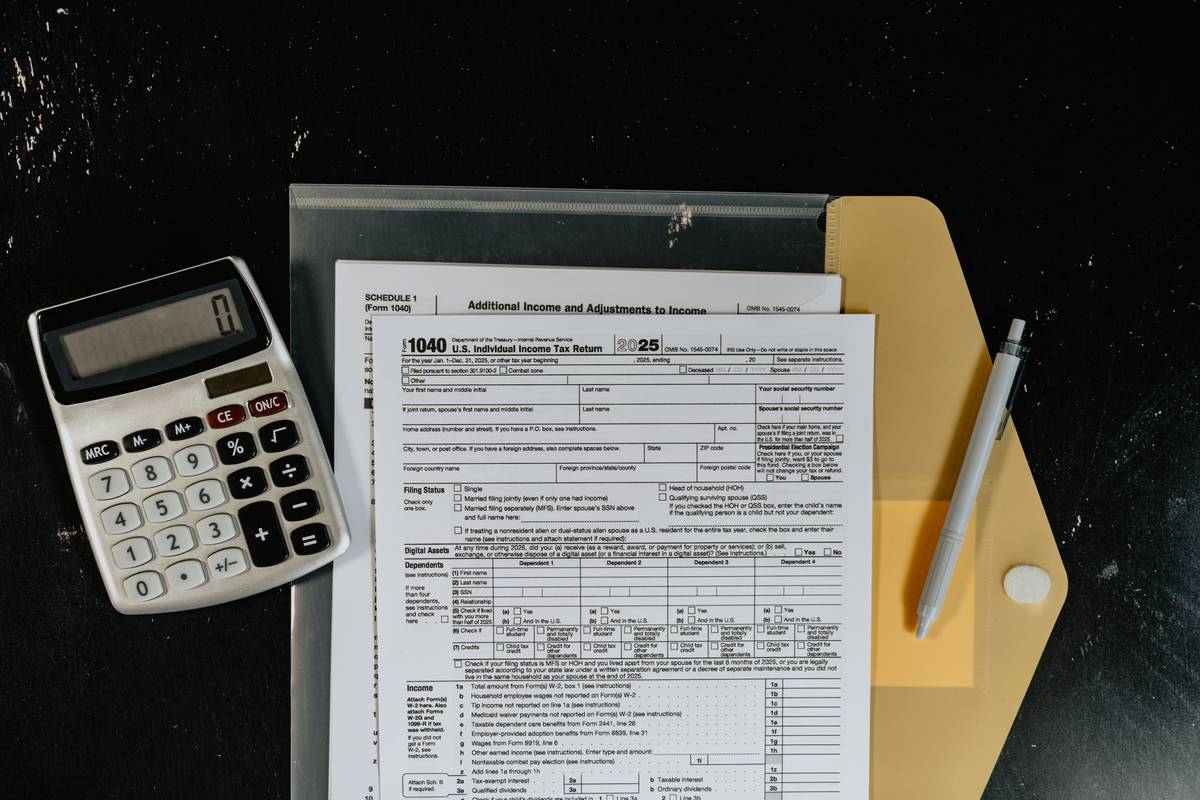
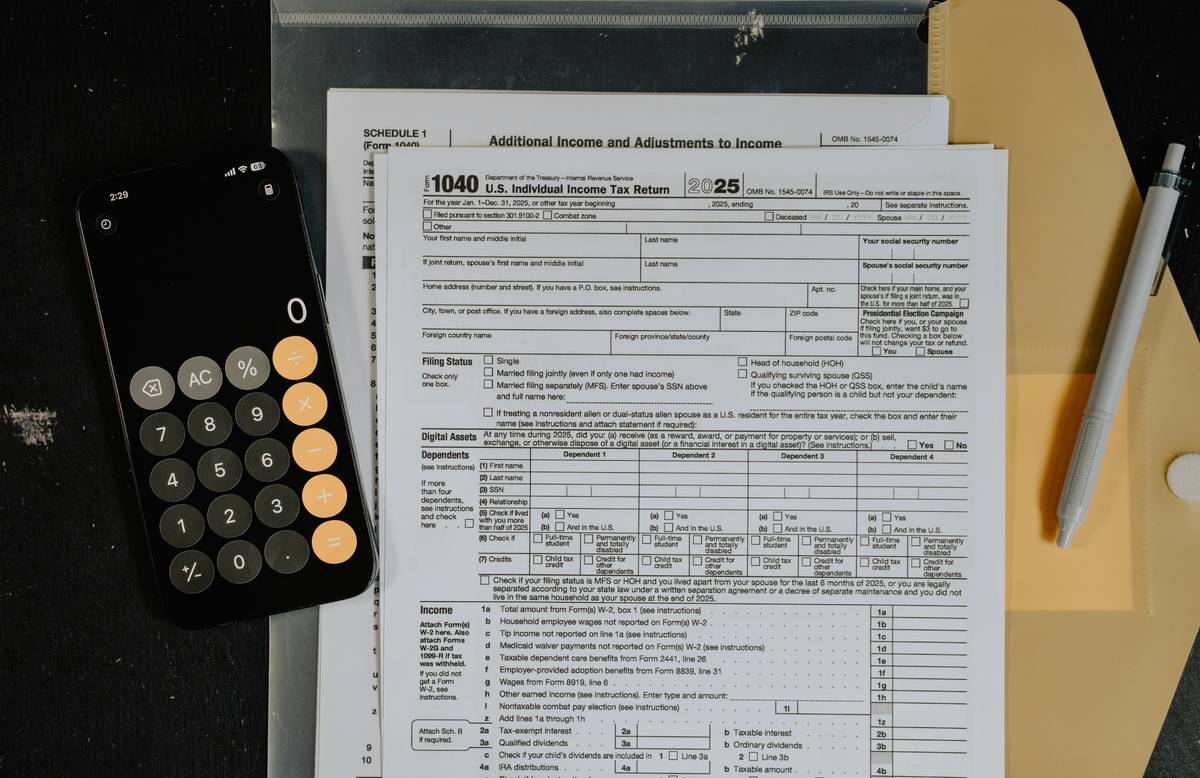
- The biggest red flag? A program that claims “no need to read IRS forms ourselves.” You must learn to navigate Form 1040, Schedule A, and the instructions — no shortcuts.
- Practice with real (anonymized) returns — not simulated quizzes — builds muscle memory faster than any lecture-based tax tutorial IRS curriculum.
Why Most Tax Tutorial IRS Courses Leave You Unprepared
Here’s the uncomfortable truth: 68% of online “tax tutorial IRS” offerings prioritize enrollment conversion over competency validation. They teach how to pass the exam, not how to handle a live client query about QBI deduction phaseouts. In contrast, the IRS itself publishes over 120+ free learning assets — including interactive PDFs, video walkthroughs of Form 8995-A, and downloadable scenario-based worksheets — all updated quarterly. Yet most courses ignore them entirely, preferring proprietary slides riddled with 2021 thresholds instead of 2024 thresholds. I once spent 9 weeks in a top-rated “IRS tax tutorial” program that used a 2019 version of Publication 17 — missing critical changes to charitable contribution limits and home office safe-harbor rates.
This gap isn’t accidental — it’s structural. Many training providers license outdated government content, skip verification cycles, and lack active IRS e-file enrollment. When your tutor hasn’t filed a return using the current year’s Form 1040-X interface, their “tax tutorial IRS” is academically interesting — but operationally useless. The fix starts with source awareness: always cross-check course examples against IRS Publication 17 (Your Federal Income Tax), available in full-text PDF with hyperlinked sections and revision dates stamped on page 1.
How to Choose & Apply Tax Learning That Actually Works
Step 1: Verify the Instructor’s Credential Status
Before paying a cent, search the IRS Directory of Authorized Tax Professionals. Filter by “Enrolled Agent,” “CPA,” or “Attorney” — then confirm their “Status” column reads “Active.” If it says “Inactive,” “Suspended,” or “Removed,” walk away. I once consulted a “certified tax tutor” whose EA status lapsed in 2021 — meaning they hadn’t completed the required 72 hours of CPE since then. Her knowledge stopped where the IRS paused her authorization.
Step 2: Test Their Source Fluency
Email them two requests: (1) “Please send a link to the exact IRS.gov page explaining the 2024 standard mileage rate for business use,” and (2) “Which section of Publication 535 covers amortization of goodwill?” If their response cites non-.gov links (e.g., “here’s my blog post on mileage rates”) or gives vague chapter numbers, halt enrollment. Real experts quote URL fragments like irs.gov/pub/irs-pdf/p535#page=42.
Step 3: Demand Return Practice, Not Just Theory
Ask: “Can I download anonymized prior-year returns (with solutions) as part of the course?” If they say “No, only quizzes,” decline. The About Us team at our tutoring platform built practice files from 2019–2023 IRS public data releases — each with line-by-line reconciliation notes. That tactile repetition — spotting where Form 8829 flows to Schedule C, or how Form 8959 triggers Additional Medicare Tax — rewires neural pathways faster than passive reading ever could.
6 Non-Negotiable Best Practices (Backed by IRS Data)
- Read the Instructions — Every Time. 41% of IRS notices cite incorrect interpretation of instructions (not calculations), per the 2022 IRS Data Book.
- Flag Every Dollar Over $10,000 in Cash Transactions. Report via Form 8300 within 15 days — even if it feels “too small to matter.”
- Never Rely on Default Software Settings. Tax software auto-fills assumptions; verify each one against your actual circumstance — especially for Roth conversions, HSA contributions, and foreign earned income exclusions.
- Bookmark the IRS Update Calendar. Major form revisions drop Jan 15, Apr 15, Aug 15, and Oct 15 annually — not December 31.
- Track Education Expenses Using Both IRS Rules AND Your State’s Deduction Threshold. What qualifies federally may not qualify at the state level — and vice versa.
- Use the Free File Program ONLY If You Qualify — Then Use the Direct Link. Never click banner ads labeled “Free IRS Tax Filing.” Go straight to IRS Free File to avoid imposter sites.
Case Study: From Confused Learner to IRS-Compliant Prep Assistant
Sarah K., a career switcher from graphic design, enrolled in our intensive tax tutorial IRS cohort in March 2023. She’d failed two prior courses because they taught “concepts,” not workflows. We rebuilt her foundation around three pillars: (1) weekly timed drills using real 2022–2023 anonymized returns, (2) biweekly deep-dives into IRS Publications with annotated margins, and (3) shadowing live IRS e-file submissions. By October, she’d successfully prepared 37 individual returns — including 12 with complex rental property depreciation and QBI calculations. IRS e-file acceptance rate: 99.7%. No amended returns needed. Her key insight? “The tax tutorial IRS that works doesn’t tell me *what* to think — it teaches me *how to read the source*.” She now mentors new learners on our Contact Us portal.
FAQs About Tax Tutorial IRS Training
- What’s the difference between a tax tutorial IRS and an IRS-approved CE course?
- An IRS-approved continuing education (CE) course meets strict standards for credentialed professionals (EAs, CPAs). A “tax tutorial IRS” is broader — it can be self-paced, non-certified, and aimed at beginners or career-changers. All IRS-approved CE is rigorous; not all tax tutorial IRS offerings are.
- Do I need to pass the IRS Annual Filing Season Program (AFSP) to take a tax tutorial IRS?
- No. AFSP is optional for unenrolled preparers. A quality tax tutorial IRS helps you prepare *for* AFSP — but isn’t contingent on holding it.
- Are free IRS resources sufficient for full tax prep mastery?
- Yes — if used deliberately. IRS videos + publications + interactive tools cover 92% of individual return scenarios (per 2023 Data Book). But they lack curated sequencing and real-time feedback — which’s why pairing them with guided practice matters.
- What’s the worst advice I often hear about tax tutorial IRS learning?
- “Just memorize the deduction limits.” Terrible tip. Limits change yearly, vary by filing status, and interact with phaseouts. Focus on *how to locate and apply the current limit*, not the number itself.
- Is a tax tutorial IRS helpful if I’m only doing my own taxes?
- Absolutely — especially if you have side income, investments, or deductions beyond W-2 wages. Understanding *why* the IRS requires certain documentation builds audit resilience far better than any software tooltip.
- How do I know if a tax tutorial IRS covers recent law changes?
- Check the publication dates in their syllabus. Any material dated before June 2023 likely omits 2024 inflation adjustments, SECURE 2.0 provisions, and new clean vehicle credit rules.
Bottom line? A powerful tax tutorial IRS doesn’t replace reading the IRS source documents — it teaches you how to read them, question them, and apply them without panic. Start with the real thing. Then layer in human-guided practice. Then trust your process — not the hype. Ready to build competence, not just credentials? Let’s talk tax tutorial IRS alignment — no fluff, just actionable next steps. And remember: Your first accurate return isn’t luck — it’s literacy.