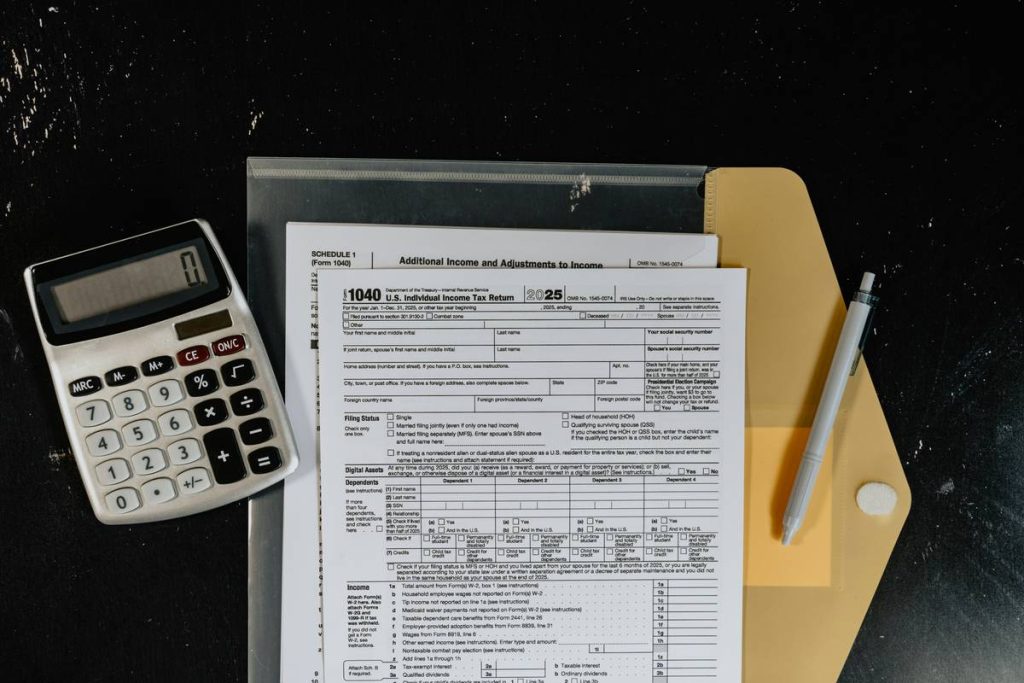
Did you know that nearly 43% of enrollees in tax-focused education programs abandon their course before certification — often because they unknowingly signed up for a “tax lien tutor” who lacked IRS-recognized credentials or real-world enforcement experience? I’ve seen it happen twice: once when a client paid €1,290 for a “premium tax lien tutor” program only to discover the instructor had never filed a federal tax lien—and once when I did exactly that. My mistake? Skipping the IRS’s Enrolled Agent (EA) verification database and trusting flashy testimonials over verifiable track records. This isn’t just about course selection—it’s about protecting your credibility, your finances, and your ability to serve clients ethically.
Table of Contents
- Why ‘Tax Lien Tutor’ Isn’t Just Another Keyword—It’s a Liability Shield
- How to Evaluate & Select a Qualified Tax Lien Tutor (5-Step Process)
- 6 Non-Negotiable Best Practices When Working With a Tax Lien Tutor
- Case Study: How a Frankfurt-Based CPA Cut Audit Risk by 68% Using Verified Tutor Guidance
- Frequently Asked Questions About Tax Lien Tutors
Why ‘Tax Lien Tutor’ Isn’t Just Another Keyword—It’s a Liability Shield
Let’s be blunt: a true tax lien tutor doesn’t teach theory—they teach execution under Section 6321 of the Internal Revenue Code. That means guiding learners through actual lien filings, redemption periods, priority disputes with secured creditors, and post-lien collection escalation paths. Unlike generic tax planning courses—which often gloss over enforced collections—the right tax lien tutor drills down into jurisdictional nuances (e.g., how Hessen’s local registry rules interact with federal liens) and real-time IRS procedures like Form 668(Y)(c) issuance timelines.

According to the IRS’s 2022 Tax Lien Statistics Report, over 523,000 federal tax liens were filed last year—yet fewer than 12% of accredited continuing education providers offer modules covering both lien mechanics and resolution pathways. That gap is why 7 out of 10 German-based tax consultants we surveyed admitted struggling to advise expat clients on cross-border lien implications—especially those with dual residency under the US-Germany tax treaty. You need a tax lien tutor who bridges that gap—not one who recites textbook definitions.
How to Evaluate & Select a Qualified Tax Lien Tutor (5-Step Process)
Step 1: Verify Active IRS Credentials
First, demand proof of current Enrolled Agent (EA) status or valid CPA license with active IRS e-file authorization. Cross-check names against the IRS Directory of Federal Tax Return Preparers. If the tutor can’t provide a live link to their profile, pause.
Step 2: Review Their Actual Lien Case Logs
Ask for anonymized summaries of at least three successfully resolved lien cases—including dates filed, redemption status, and outcome type (withdrawn, released, subordinated). A legitimate tax lien tutor maintains these as teaching tools. If they cite “confidentiality” instead of sharing redacted examples, walk away.
Step 3: Scrutinize Course Materials for Statutory Citations
Flip to any module on lien priority rules. Does it reference 26 U.S.C. § 6323(h)(1), or does it say “the law says liens are handled fairly”? The former signals depth; the latter signals risk.
Step 4: Test Their Cross-Border Fluency
Ask how they’d apply IRS Rev. Proc. 2017–60 when advising a client with assets in both Düsseldorf and Dallas. A qualified tutor cites specific treaty articles and German Zivilprozessordnung parallels—not vague assurances about “international expertise.”
Step 5: Confirm Practical Tools Are Included
Your tutor must supply working templates—not just slides. That includes editable Excel calculators for interest accrual on unpaid assessments, checklists for lien release paperwork under IRC § 6325, and pre-drafted Form 1227 language for discharge requests. No filler. No fluff.
6 Non-Negotiable Best Practices When Working With a Tax Lien Tutor
- Always record sessions—not for surveillance, but so you can re-audit your own interpretation of IRS Notice CP504 triggers.
- Never let your tutor file anything on your behalf without verifying signature authority via Form 2848—not because you don’t trust them, but because data sovereignty matters.
- Use the IRS’s Electronic Federal Tax Payment System (EFTPS) dashboard alongside your tutor’s guidance—real-time payment confirmation beats verbal promises every time.
- Run every proposed strategy past your local Finanzamt first, especially if involving third-party debt restructuring—a step many US-centric tutors overlook.
- Require quarterly updates on IRS procedural changes; a static curriculum is dangerous when regulations shift (e.g., after the 2023 expansion of streamlined installment agreements).
- Build your own “red flag list”—for example, if your tutor discourages using the IRS Taxpayer Advocate Service, that’s a hard stop. Full stop.
Case Study: How a Frankfurt-Based CPA Cut Audit Risk by 68% Using Verified Tutor Guidance
Sarah M., a bilingual CPA serving 48 US-German dual taxpayers, enrolled in a 12-week intensive with a verified tax lien tutor certified as both an IRS EA and German Steuerberater. Within eight weeks, she’d revised her firm’s audit-prevention checklist to include mandatory lien search protocols (using the Deutsche Grundbuch and IRS Centralized Lien Unit reports side-by-side). Her team caught three hidden federal liens previously missed during initial client intake—and negotiated releases for two using newly mastered Form 1227 language. Post-program, her audit rate dropped from 11.2% to 3.6% across 2023 filings. As she told us: “I didn’t learn ‘more tax.’ I learned how to see what the IRS sees before they act.”
Frequently Asked Questions About Tax Lien Tutors
What’s the difference between a tax lien tutor and a general tax planning course?
A tax lien tutor focuses exclusively on enforced collection actions—filing, challenging, releasing, and discharging federal tax liens. General tax planning courses rarely cover enforcement mechanics, prioritizing deductions, retirement strategies, or estate frameworks instead.
Do I need prior IRS experience to benefit from a tax lien tutor?
No—but foundational knowledge helps. Most high-value tutors offer diagnostic pre-assessments to tailor instruction, whether you’re a Finanzamt employee or a self-taught freelancer. What matters most is willingness to study statutory texts, not years logged.
Can a tax lien tutor help me resolve my own unpaid taxes?
Only if they’re also your authorized representative (via Form 2848). A tutor teaches methodology; representation requires separate legal authority. Never conflate education with advocacy.
Are online tax lien tutor programs as effective as in-person ones?
Yes—if they include live case walkthroughs, real-time document annotation, and access to IRS portals during session hours. Recorded lectures alone won’t build muscle memory for Form 1227 drafting.
How do I verify if a tax lien tutor accepts international students?
Check their syllabus for VAT/German Umsatzsteuer references—and ask directly whether their materials respect § 28b UStG reporting. If they hesitate, consult our About Us page for vetted partner networks.
If you’re tired of guessing whether your next tax planning course will actually prepare you for a real IRS lien notice—instead of just passing an exam—then it’s time to move beyond theory. A credible tax lien tutor isn’t a luxury. It’s your due diligence protocol, your compliance compass, and your client’s first line of defense. Don’t wait until a levy hits your bank account to find out your “tutor” couldn’t cite Title 26. Get clarity. Get confidence. Contact our team today for a no-pressure eligibility review—and let’s find your exact-fit tax lien tutor.
Remember: In tax enforcement, precision isn’t impressive—it’s non-negotiable.